[Software product engineering]

SaaS Application Development Services

A SaaS product needs a useful customer workflow before it needs a long feature list. We help product teams define a focused release and build the web application, backend and integrations around it. The delivery plan connects product discovery with testing, deployment and the work needed after launch.

  • A first release centred on the workflow users need
  • Application architecture and APIs chosen for the product
  • A phased path from launch feedback to further development
[Who this is for]

For teams building a software product

The engagement starts with what users need to accomplish and what your team needs to learn from a release.

  1. Founders defining the first release

    You need to translate a product idea into a coherent workflow, with clear boundaries between launch essentials and later features.

  2. Product teams improving an application

    You have customer feedback and a roadmap, but the interface, APIs or data model need work before the next release.

  3. Businesses turning a process into a product

    You understand an industry workflow and want to assess how it could become a usable customer application.

[What we build]

Build the application foundations first

The scope follows your product requirements. Specialised commercial and infrastructure requirements are reviewed during discovery before becoming delivery commitments.

  1. Product discovery and release planning

    Map the user journey, business rules and data needed for the product. Define a first release that can be reviewed by users without building the entire roadmap.

    • User workflows and product requirements
    • Prototype and stakeholder review
    • First-release priorities and dependencies
  2. Product interfaces and backend services

    Develop the browser application, database and API layer together so each workflow has a clear path from interface to stored data.

    • React and Next.js interfaces
    • Backend services and database design
    • API contracts and integration testing
  3. Authentication and permissions

    Define how users sign in and what each role can access. Enforce permissions in the backend as well as presenting the appropriate interface.

    • User accounts and sign-in flows
    • Role-based access
    • Account and permission failure states
  4. APIs and external integrations

    Connect the application to the services required by its workflows. Assess provider APIs, access requirements and failure handling before implementation.

    • Business-system and payment integrations where required
    • Documented application APIs
    • Integration dependencies and error handling
  5. Testing and release readiness

    Review the complete customer journey, application behaviour and deployment process before releasing. Include practical checks for the product's expected workload.

    • Functional and access-control testing
    • Release acceptance checks
    • Deployment configuration and monitoring needs
[Alongside the build]

Plan for the product after launch

[Technology stack]

Technologies we work in

  1. Architecture with explicit tradeoffs

    Choose application boundaries, data structures and hosting around the product requirements. Document the decisions that would need revisiting as those requirements change.

  2. Iteration informed by use

    Review feedback and operational issues after a release, then prioritise the next changes against the product roadmap.

  3. Maintenance and reliability

    Agree responsibility for fixes, dependency updates and operational monitoring. Response arrangements and release responsibilities belong in the engagement scope.

ReactNext.jsNode.jsNestJSPostgreSQL
[Our approach]

A practical path from idea to an evolving product

  1. Validate the workflow

    Use discovery and prototypes to make the product's core task understandable before expanding the feature set.

  2. Connect the complete journey

    Deliver interface, API and data changes together so each increment can be reviewed as working software.

  3. Make room for feedback

    Treat launch as a release milestone with a next-step plan, including maintenance and the changes informed by actual use.

[How it works]

What the engagement looks like

  1. 01

    Discover the product

    Understand the users, core workflow, existing assets and first-release constraints.

  2. 02

    Design the release

    Review prototypes, application architecture and scope before agreeing implementation priorities.

  3. 03

    Build and test

    Develop the application in working increments, checking interfaces, APIs and permission boundaries together.

  4. 04

    Deploy and iterate

    Prepare the release, agree maintenance responsibilities and review the next changes after feedback.

[Project examples]

Application capabilities from our existing work

These projects demonstrate business workflows, backend services and payment integrations. They are examples of related application engineering, not SaaS deployments.

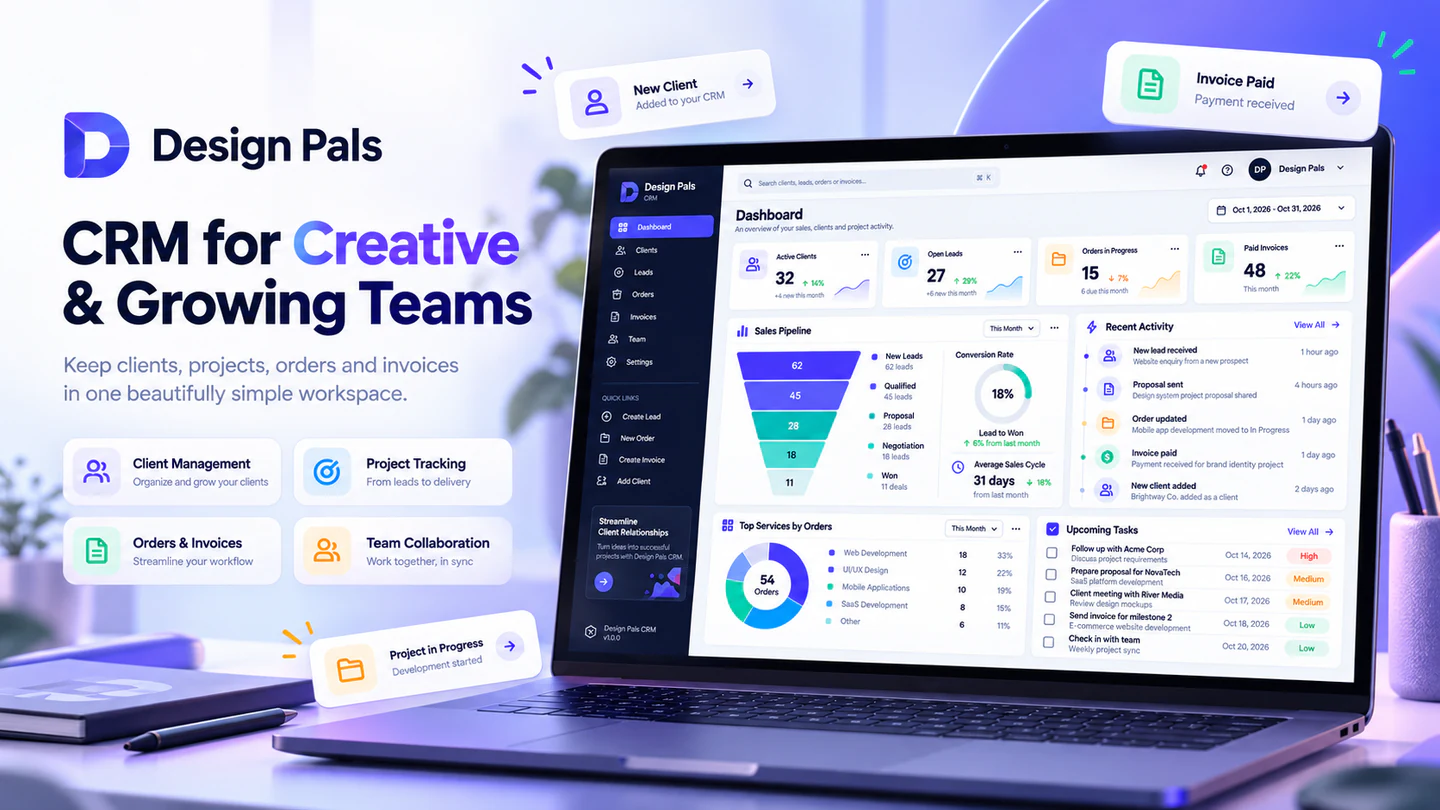
Illustrative Design Pals CRM dashboard with clients, sales pipeline and task workflow panels (illustrative concept UI)Illustrative concept

Custom CRM & Internal Operations

Design Pals CRM

A personalized CRM for Design Pals: clients, sales, orders, invoicing and team workflows in one platform, built around their operation rather than a generic CRM structure.

Explore project
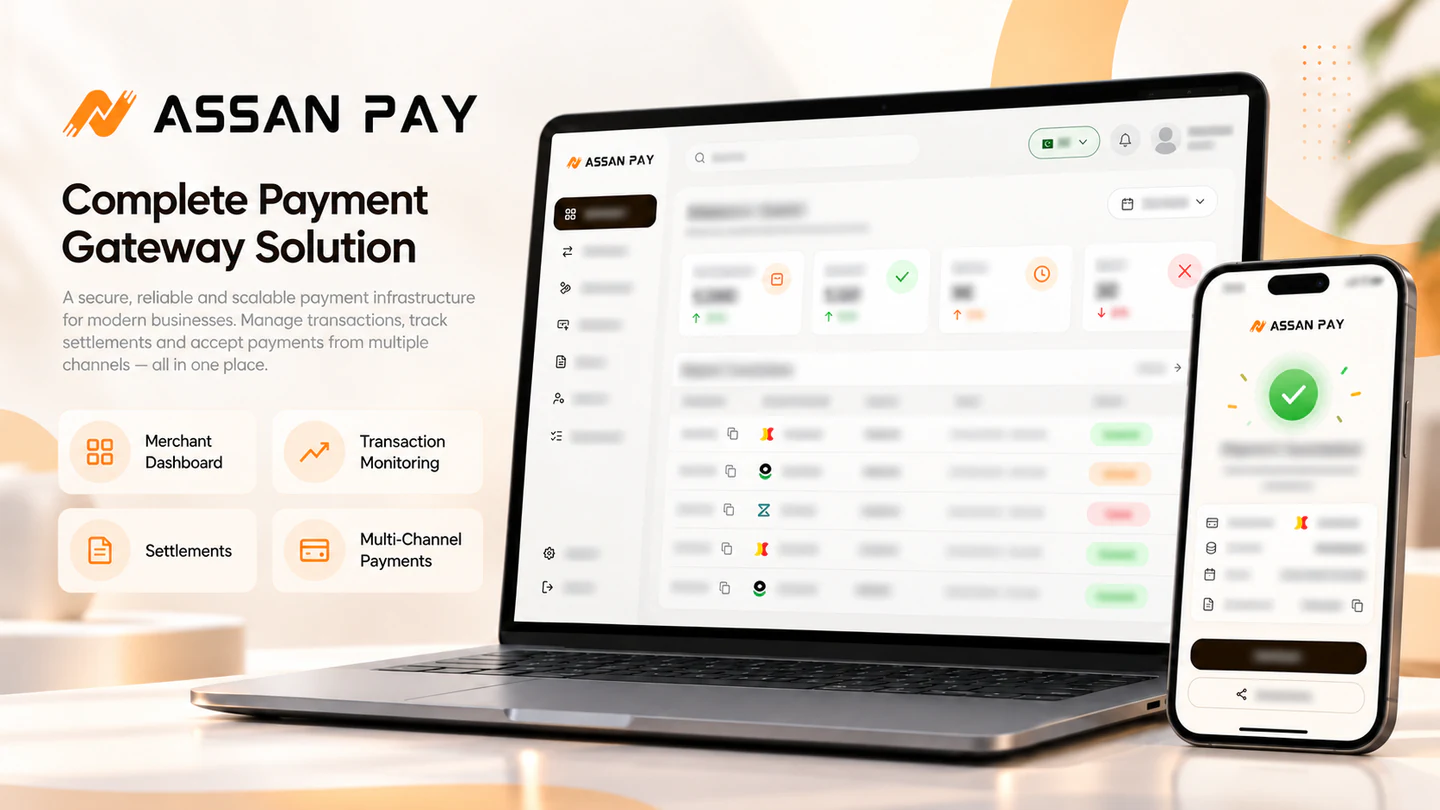
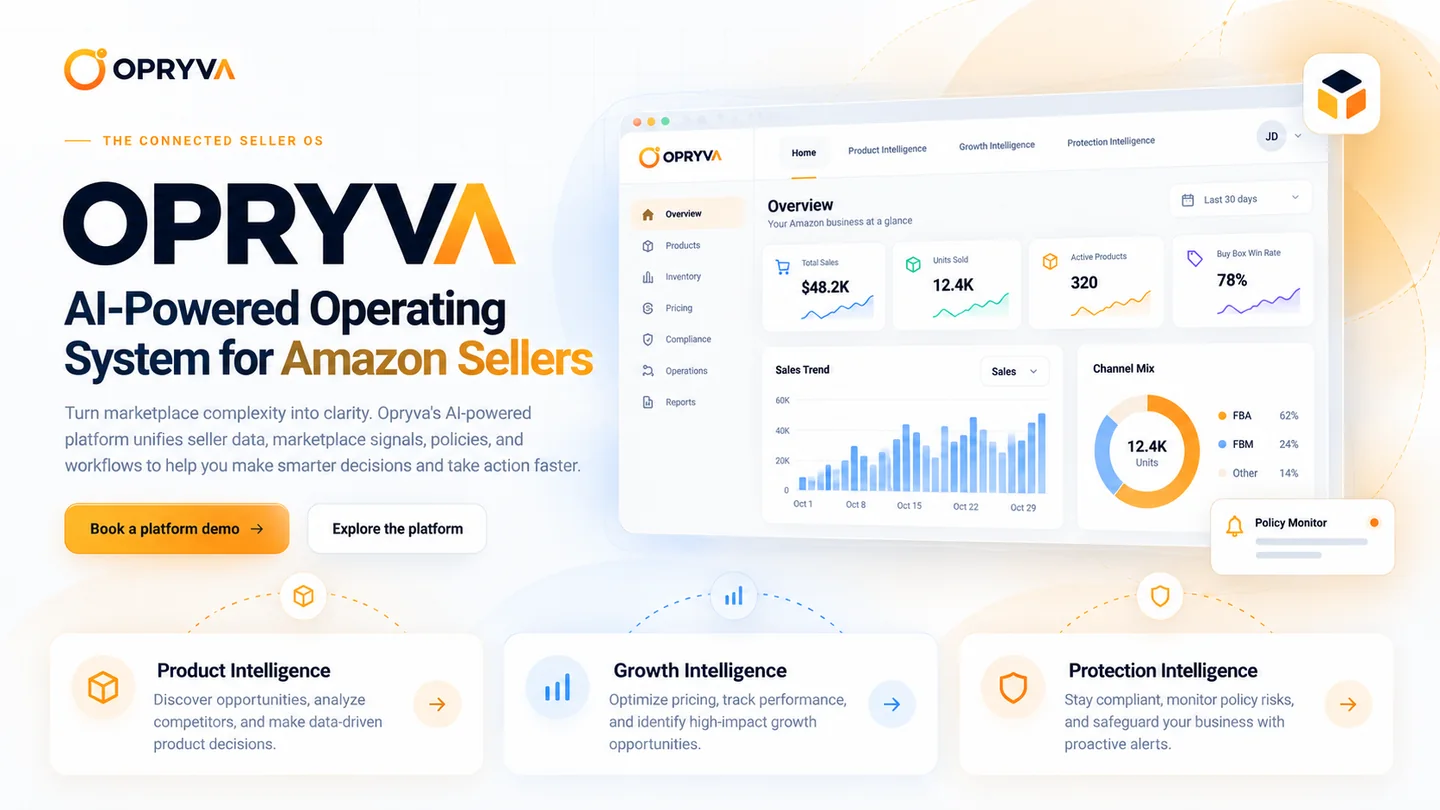
Illustrative AssanPay payment platform collage with blurred merchant dashboard and payment receipt details (illustrative concept UI)Illustrative concept

Payment Infrastructure

AssanPay Payment Gateway

A regional payment gateway platform with merchant and admin dashboards, payment APIs, hosted checkout and integrations for e-wallets, QR payments and cards, plus a Flutter merchant app for Pakistan.

Explore project
[FAQ]

We’ve got the answers you seek

Anything not covered here? Ask us through the contact form and we’ll answer within a working day.

  • Yes. Discovery can identify the core workflow, user roles, data and integrations needed for a useful first release. A prototype helps clarify the scope before the wider roadmap is scheduled.

Discuss your SaaS application

Tell us who the product is for, the workflow it needs to support and what you want the first release to achieve.

Trusted by teams across fintech, e-commerce and SaaS

SahulatPayAssanPay1BDesignPalsTyconpayNimbusVaultixCoreGrid